
Lesson 30 – الدَّرْسُ الثَّلاثُونَ
Masculinity and Feminization of Verb- تَذْكِيرُ الْفِعْلِ وَتَأْنِيثُهُ
Introduction – مُقَدِّمَةٌ
- This is lesson thirty of our free Arabic language course. This Arabic course with images and audios will help you learn Arabic.
- In a previous lesson of the course, we studied the masculine and feminine Arabic nouns and recognized the signs that differentiate between a masculine and a feminine noun. Here we will do the same with verbs. Verbs are like nouns; they are subject to rules of masculinity and feminization according to the verb doer. Sometimes the verb doer makes the verb obligatory feminine – i.e. it is always feminine, as in the following examples:
| Picture | English | Arabic |
|
| The Arab woman plays an important role in the formation of the family | تَقُومُ المَرْأَةُ العَرَبِيَّةُ بِدَوْرٍ مُهِمٌّ في تَكْوينِ الأسْرَة ِ |
|
| The university helps the youth draw their country’s future | الْجَامِعَةُ تُسَاعِدُ الشَّبَابَ فِي تَكْوِينِ مُسْتَقْبَل ِ بَلَدِهِم |
|
| The girls and boys participated in the contest |


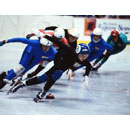
- In other cases the verb doer makes a verb permissible feminine or masculine – i.e. it can be either gender, as in the following examples:
| English | Masculine Verb | Feminine Verb |
| Arabs disagreed, thus their influence waned. | ||
| Fatima attended the lesson today |
- Therefore, we should study three important points:
- When a verb doer makes a verb obligatory feminine.
- When a verb doer makes a verb obligatory masculine.
- When a verb doer makes a verb permissible feminine or masculine.
- We shall also study the signs of the feminization of the present and past verbs, as in the following examples:
| Feminine sentence translation | مُؤَنَّثٌ | Masculine sentence translation | مُذَكَّرٌ |
| The girl came early | The boy came early | ||
| The female student writes with a pen | The male student writes with a pen | ||
| The mother does her duty towards her family | The father does his duty towards his family |